Optimal Timing for Foundation Repairs
Understanding the optimal timing for foundation repairs can help ensure effective and durable results. The best time to undertake foundation repairs depends on various factors including weather conditions, soil stability, and structural assessment findings.
Spring offers moderate temperatures and manageable moisture levels, making it suitable for foundation work. Soil tends to be moist but not overly saturated, facilitating easier excavation and repair processes.
Summer provides longer daylight hours and stable weather, but excessive heat and dry soil conditions can pose challenges. Repairs are possible if proper precautions are taken.
Fall often features cooler temperatures and moderate moisture, ideal for foundation repairs. Soil moisture levels are typically stable, reducing the risk of shifting.
Winter is generally less suitable due to cold temperatures, frozen ground, and potential snow or ice. These conditions can hinder excavation and curing processes.
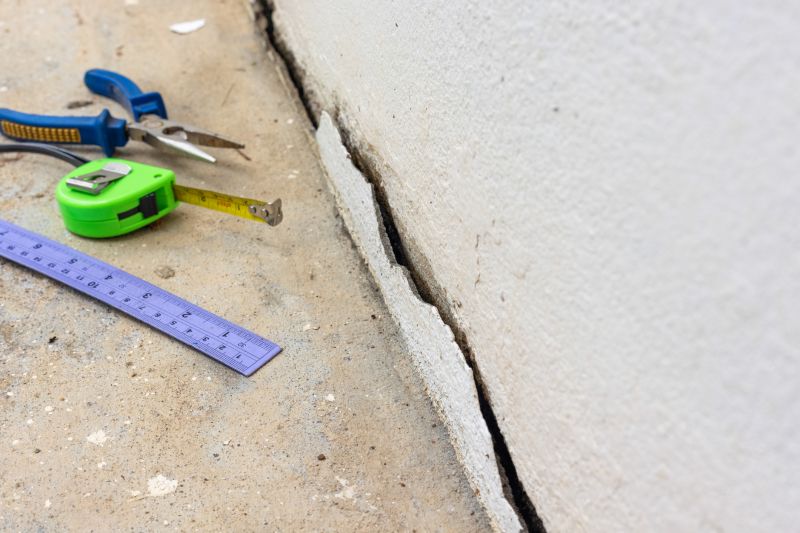
Ways to make Foundation Repairs work in tight or awkward layouts.
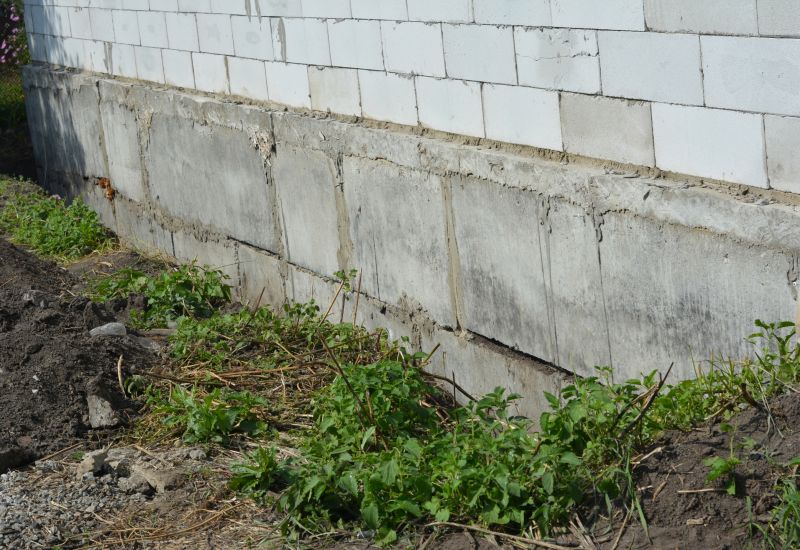
Popular materials for Foundation Repairs and why they hold up over time.
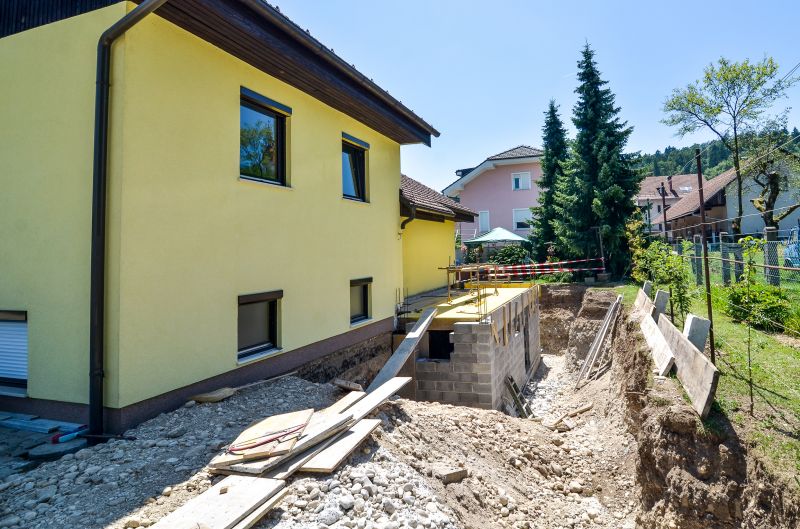
Simple add-ons that improve Foundation Repairs without blowing the budget.
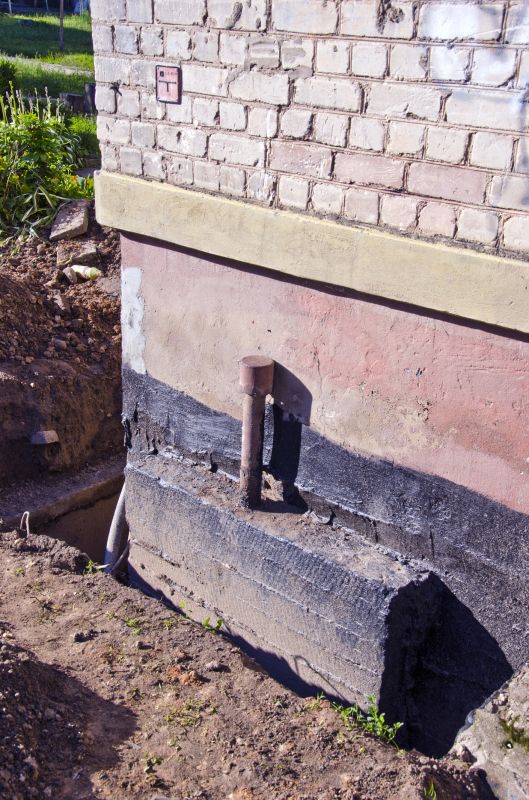
High-end options that actually feel worth it for Foundation Repairs.
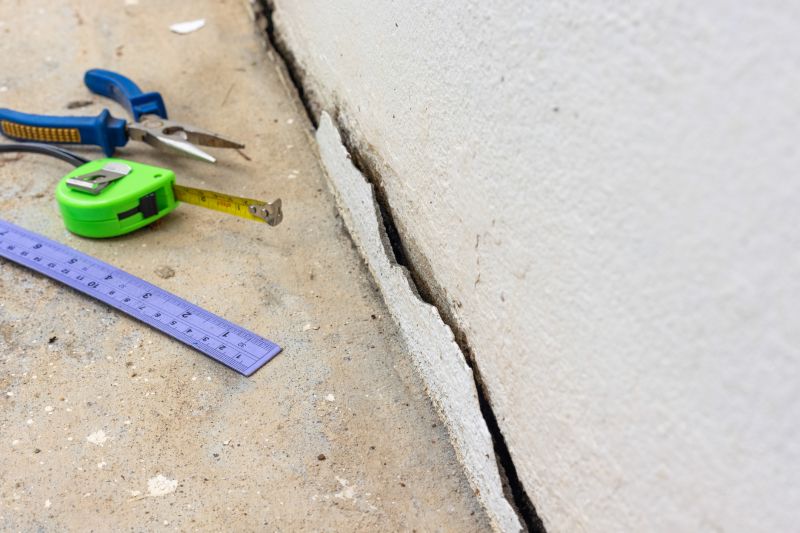
Finishes and colors that play nicely with Foundation Repairs.
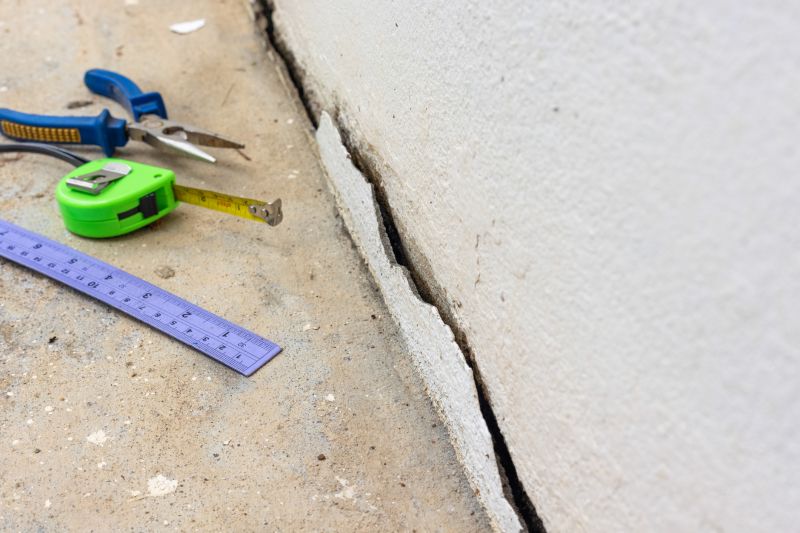
Little measurements that prevent headaches on Foundation Repairs day.
Foundation repairs involve addressing issues such as settling, cracking, or shifting that compromise the structural integrity of a building. Proper timing can minimize complications and improve the longevity of repairs. Weather conditions significantly influence the repair process; dry or frozen ground can impede excavation, while excessive moisture may lead to further shifting. Regular inspections and early intervention are key to preventing minor issues from escalating into major structural problems.
Soil stability plays a crucial role in foundation health. Repairs are most effective when soil moisture levels are stable, reducing the risk of further movement.
Extreme temperatures and weather events can delay or complicate foundation work. Planning repairs during moderate weather conditions enhances success.
A thorough evaluation by a foundation specialist helps determine the best timing for repairs based on current soil and weather conditions.
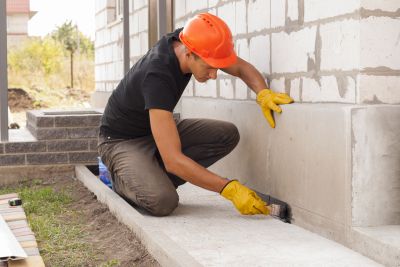
A 60-second routine that keeps Foundation Repairs looking new.
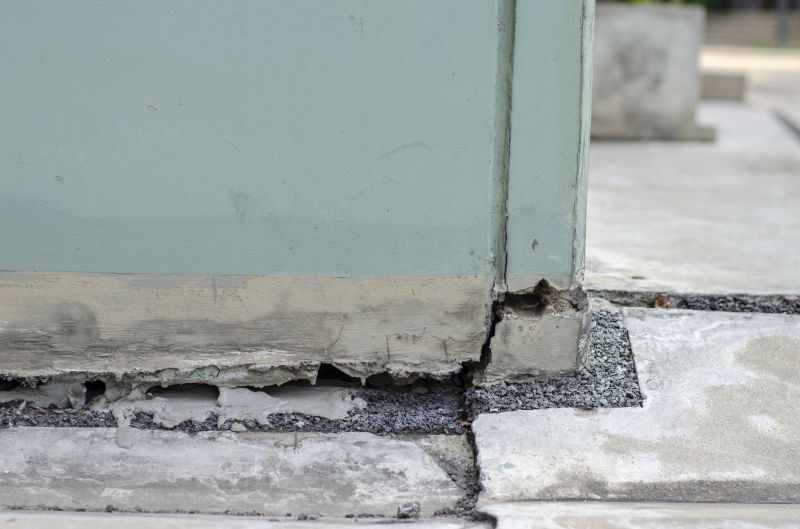
A frequent mistake in Foundation Repairs and how to dodge it.
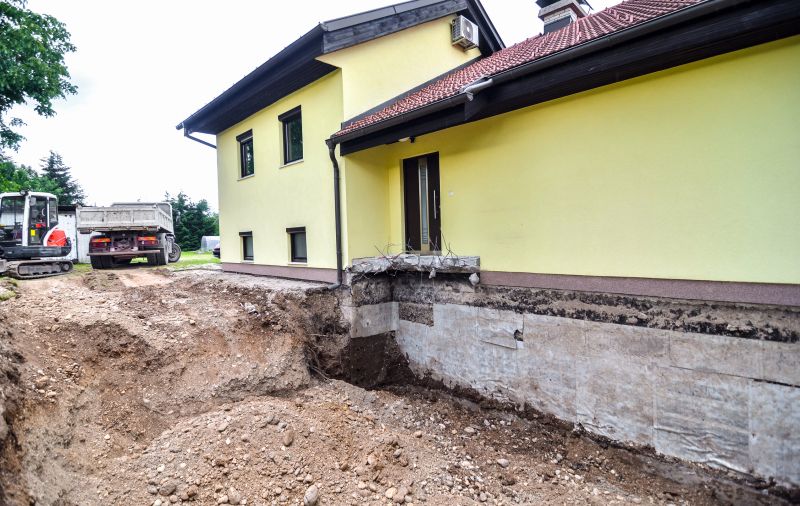
Small tweaks to make Foundation Repairs safer and easier to use.
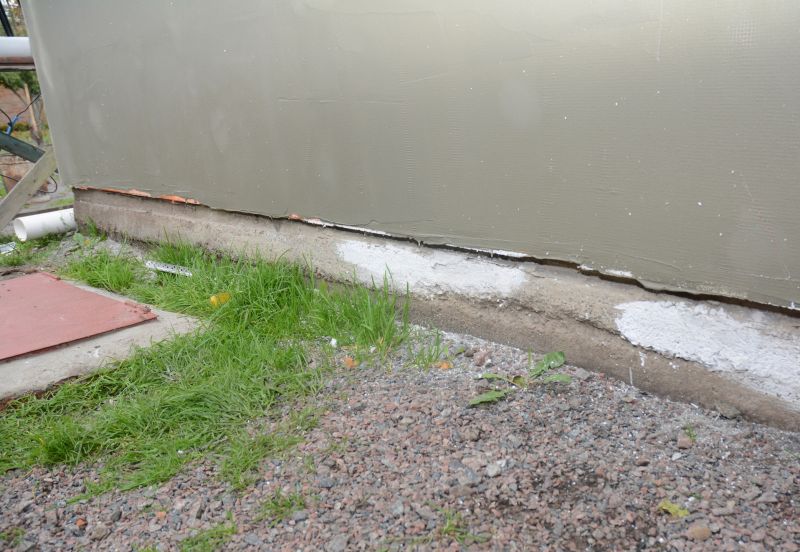
Lower-waste or water-saving choices for Foundation Repairs.
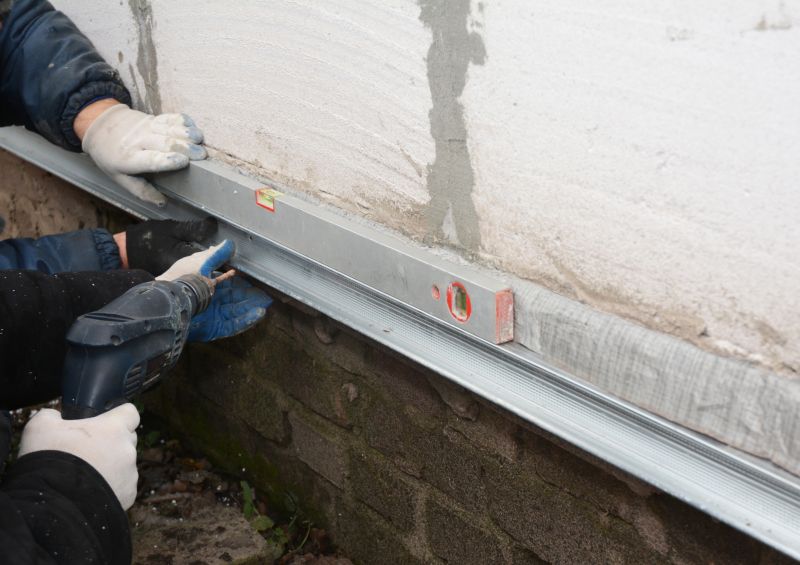
The short, realistic tool list for quality Foundation Repairs.
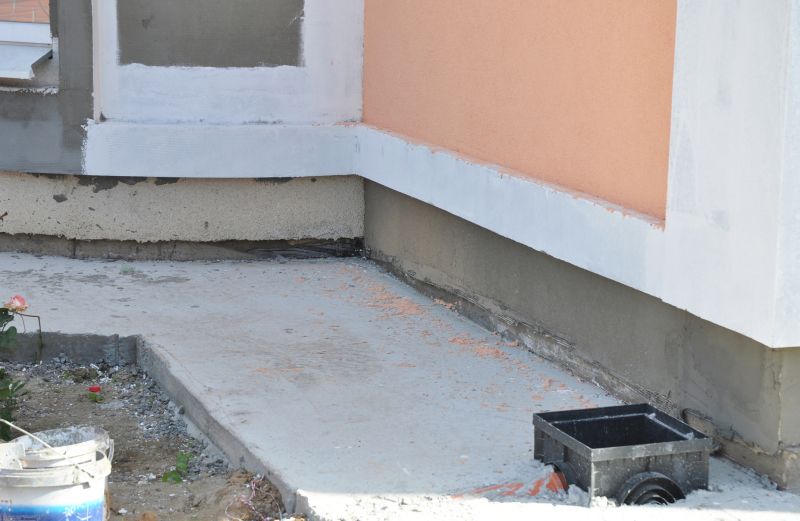
Rough timing from prep to clean-up for Foundation Repairs.
Choosing the right time for foundation repairs can prevent additional damage and reduce costs. Structural issues often worsen if left unaddressed during adverse weather conditions. Regular monitoring of foundation health and consulting with specialists can identify the optimal window for repairs, ensuring the work is effective and long-lasting.