
Essential Foundation Repair Products for Effective Home Restoration
Identify the must-have tools and materials to successfully address foundation issues and protect your property.
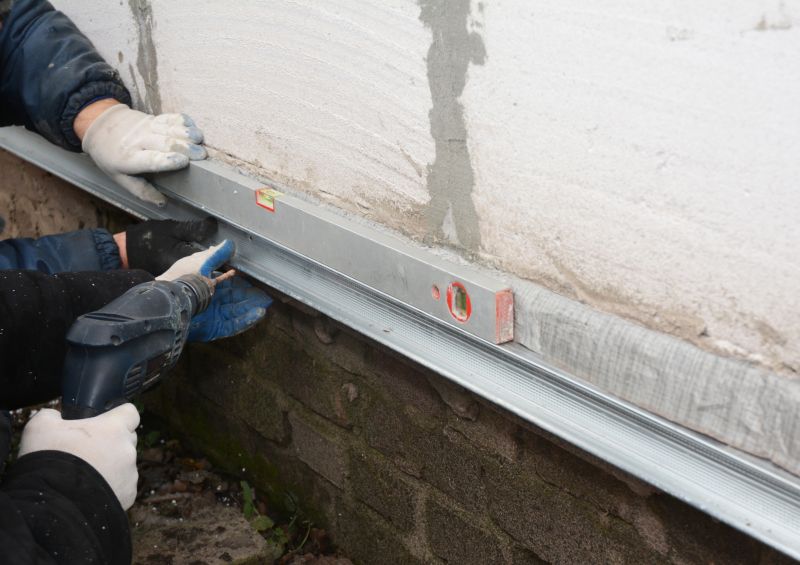 Foundation repairs are a critical aspect of maintaining the structural integrity of a building. When issues such as cracking, settling, or shifting occur, selecting the appropriate products can help address these concerns effectively. Various repair solutions are available, ranging from simple underpinning materials to advanced stabilization systems. Understanding the different types of products and their applications is essential for making informed decisions that suit specific foundation needs.
Top Overall Option
Concrete Pier System
Concrete pier systems are versatile and widely used in foundation repair to provide stable support beneath a structure. They involve installing reinforced concrete piers that transfer the building load to a more stable soil layer. These systems are suitable for a range of foundation issues, including settling and uneven floors, and can be customized to fit specific site conditions. Proper installation by experienced professionals is essential to ensure long-term stability and safety.
Types of Products For Foundation Repairs
Push Piers
Push piers are driven into the ground beneath the foundation to lift and stabilize it, often used for settling issues.
Helical Piles
Helical piles are screw-in foundations that provide support in challenging soil conditions and can be installed with minimal disturbance.
Slab Jacking
Slab jacking involves injecting a grout mixture beneath a concrete slab to lift and level it, suitable for minor foundation settling.
Epoxy Injections
Epoxy injections are used to seal and stabilize cracks in the foundation, preventing water intrusion and further deterioration.
Underpinning Brackets
Underpinning brackets reinforce existing foundation elements, providing additional support for compromised structures.
Steel Push Piles
Steel push piles are driven into the ground to support heavy loads and stabilize foundations in deep or difficult soil conditions.
Soil Stabilization Products
These products modify soil properties to reduce movement and improve support for the foundation.
Grout and Sealants
Grouts and sealants are used to fill voids and cracks, preventing water infiltration and further damage.
Foundation Braces
Braces provide lateral support to walls and foundation elements during repair or reinforcement processes.
Hydraulic Lifting Systems
Hydraulic systems are used to lift and level foundations precisely, often combined with other stabilization methods.
Carbon Fiber Reinforcements
Carbon fiber strips reinforce cracked walls, providing additional strength without significant structural alteration.
Polyurethane Foam Injectors
Polyurethane foam is injected to fill voids and lift slabs or foundations, suitable for minor adjustments.
Anchor Bolts
Anchor bolts secure foundation elements to the structure, offering stability after repairs.
Drainage and Moisture Control Products
Proper drainage systems help prevent foundation issues caused by excess moisture and soil erosion.
Vapor Barriers
Vapor barriers control moisture migration, protecting foundation walls and slabs from water damage.
Popular Choices
Push piers are frequently selected for their ability to lift and stabilize settling foundations.
Helical piles are trending for their ease of installation in difficult soil conditions.
Epoxy crack sealants are popular for sealing foundation cracks to prevent water intrusion.
Slab jacking is often chosen for leveling concrete slabs with minimal disruption.
Steel push piles are widely used for supporting heavy loads in deep foundation repairs.
Polyurethane foam injections are common for quick, minimally invasive foundation adjustments.
Carbon fiber strips are increasingly used to reinforce cracked walls efficiently.
Proper drainage products are essential in preventing future foundation issues related to water.
Vapor barriers are frequently installed to control moisture and protect foundation integrity.
Foundation braces are trending for lateral support during repair projects.
Underpinning brackets are gaining popularity for reinforcing existing foundation structures.
Hydraulic lifting systems are used for precise leveling in foundation repair.
Sealants and grouts are common for sealing cracks and filling voids effectively.
Soil stabilization products are increasingly used to improve foundation support in challenging soils.
Anchor bolts are popular for securing foundation components after repairs.
In Rochester, MI, homeowners and contractors often encounter unique soil and environmental conditions that influence foundation stability. Proper assessment and the right selection of repair products can help mitigate further damage and improve the longevity of the structure. It is advisable to consult with foundation specialists to determine the most suitable solutions based on the specific issues faced.
Foundation repair products are designed to provide support, lift, or stabilization to compromised structures. These include underpinning systems, piers, helical piles, and epoxy injections, among others. Each product type serves a different purpose and is suited for particular conditions, whether addressing minor cracks or major shifts. Proper installation and compatibility with existing structures are crucial factors in ensuring the effectiveness of these repair solutions.
Choosing the right products involves considering factors such as soil type, extent of damage, load requirements, and budget. It is also important to evaluate the durability and ease of installation of each product type. With a wide array of options available, homeowners and professionals can find solutions tailored to their specific foundation repair needs, helping to restore stability and safety to their properties.
Key Buying Considerations
- Assess the extent and type of foundation damage to determine suitable repair solutions.
- Consider soil conditions and how they influence product choice and installation methods.
- Evaluate the load-bearing requirements of your structure to select appropriate support systems.
- Check compatibility of repair products with existing foundation materials and structures.
- Prioritize products that offer durability and long-term stability in your specific environment.
- Review installation procedures and whether professional assistance is recommended or required.
- Understand the maintenance needs and lifespan of the repair products being considered.
- Factor in your budget while ensuring the selected solutions meet safety and performance standards.
- Investigate the track record and reputation of the product manufacturer or supplier.
- Ensure compliance with local building codes and regulations related to foundation repair.
- Consider the potential impact of repair products on property value and future renovations.
- Look for products that allow for minimally invasive installation when possible.
- Evaluate the warranty or guarantee offered with the repair products.
- Determine if the products are suitable for both minor cracks and major structural issues.
- Seek expert advice or consultation to confirm the most effective repair options for your situation.